

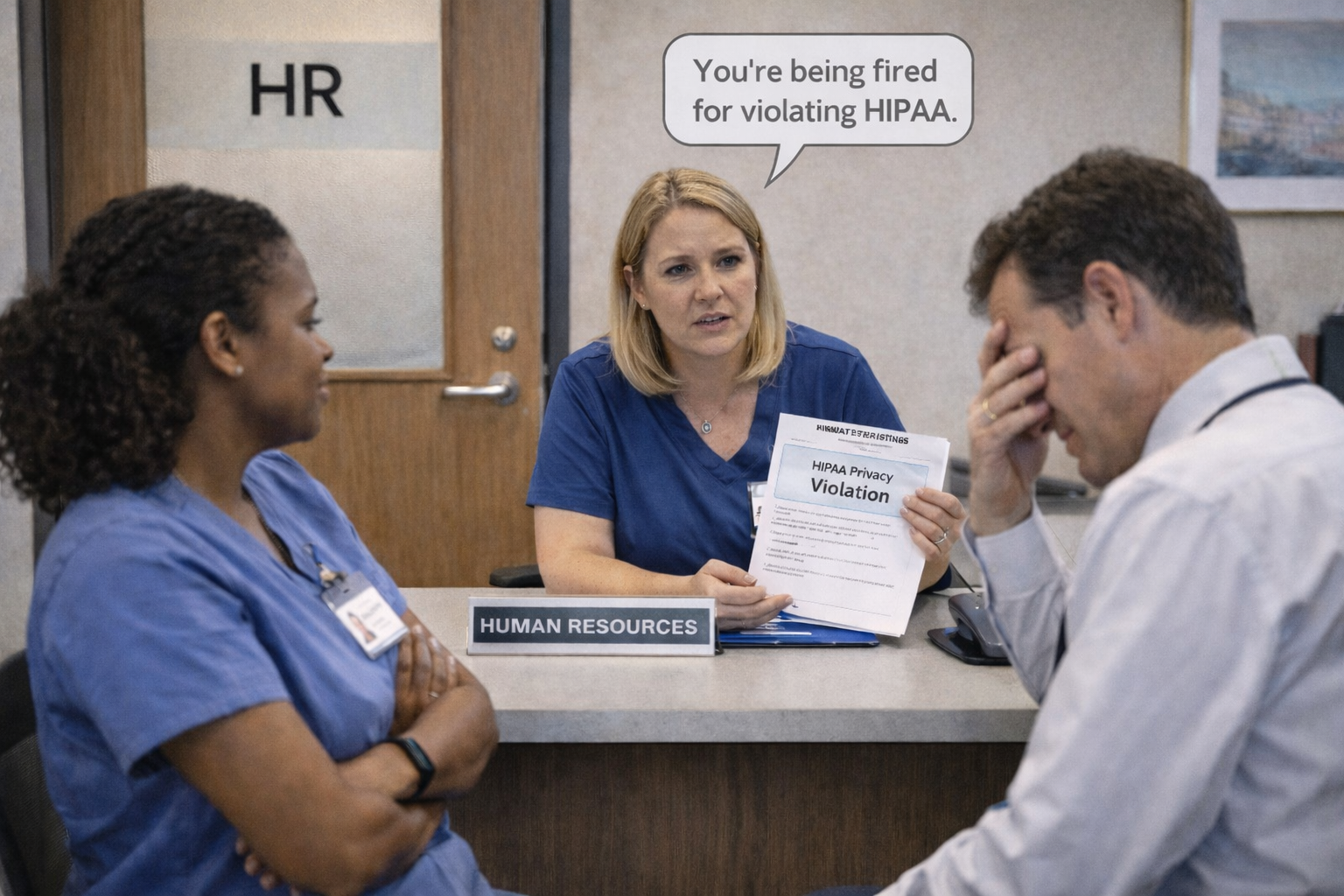
A single HIPAA violation can devastate a nursing career. From termination and license revocation to criminal charges and personal liability, the consequences of mishandling patient information extend far beyond a written warning. Understanding common violations—and how to avoid them—is essential for every nurse.
The Sobering Statistics on Healthcare Data Breaches
The numbers are alarming. According to the NIH National Library of Medicine, protected health information (PHI) breaches have affected over 176 million patients in the United States. Most of these breaches resulted from employee negligence and noncompliance with HIPAA regulations rather than external hacking.
The HHS Office for Civil Rights has investigated over 20,000 cases, and 2025 is shaping up to be a record year for HIPAA enforcement. The new HIPAA risk analysis enforcement initiative has already closed 9 investigations with financial penalties as of May 2025.
Real-World HIPAA Violations by Nurses
While many HIPAA violations by nurses go unreported because they affect fewer than 500 individuals, documented cases reveal patterns every nurse should recognize:
A nurse practitioner at a multi-hospital health system impermissibly accessed the medical records of her ex-husband. This type of "curiosity access"—looking at records without a legitimate work purpose—is one of the most common violations. Children's Hospital Colorado was fined $548,265 after failing to provide HIPAA Privacy Rule training to 6,666 members of the workforce, including 3,495 nursing students.
In 2017, ProPublica documented more than fifty patient privacy violations in nursing homes and assisted living facilities—demonstrating that violations occur across all healthcare settings.
The Most Common Nursing HIPAA Violations
Understanding the most frequent violations helps nurses avoid career-ending mistakes:
Unauthorized access to medical records—accessing patient information without a legitimate work-related purpose is never acceptable, regardless of personal relationships or curiosity. Social media disclosure—posting patient photos, discussing cases, or responding to online reviews with patient information violates HIPAA, even without naming the patient. Workstation abandonment—leaving a computer logged in while stepping away, even briefly, can expose PHI to unauthorized individuals. Improper disposal of records—failing to properly shred or destroy documents containing PHI creates breach opportunities. Sharing login credentials—using a colleague's credentials or sharing your own "to get things done faster" is a HIPAA violation that compromises audit trails.
Why Workplace Stress Leads to Violations
The pressures of nursing work often contribute to compliance failures. A harassed, busy, or upset nurse may disclose more than the minimum necessary PHI or take shortcuts "to get the job done." These shortcuts—sharing login credentials, using personal devices to communicate PHI, or discussing patients in public areas—may seem innocuous but are serious HIPAA violations.
Research shows that 24% of healthcare employees did not receive sufficient security awareness training. When non-compliance becomes a cultural norm, the risks multiply for everyone.
What Happens When a Nurse Violates HIPAA
Healthcare organizations are required to enforce sanctions policies with multiple tiers based on violation severity. Consequences for nurses may include verbal or written warnings for minor first-time violations, suspension or termination for serious or repeated violations, reporting to state nursing boards that can result in license suspension or revocation, and in cases of willful negligence or intentional misconduct, criminal charges with fines up to $250,000 and imprisonment up to 10 years.
Protecting Your Career Through Education
The problem with HIPAA training in many organizations is that nurses receive it only once—when first joining the workforce—and may go years without refresher training unless policies materially change. This gap in ongoing education leaves nurses vulnerable to violations, especially as technology and workflows evolve.
HIPAA Certify addresses this gap with comprehensive HIPAA training designed specifically for nurses. The training covers real clinical workflow scenarios nurses face daily—from properly documenting in EHRs to handling patient information in telehealth settings.
Best Practices for Daily HIPAA Compliance
Protecting patient privacy should become second nature. Practical habits include logging out of workstations before stepping away, even briefly; verifying patient identity before discussing any health information; using the minimum necessary standard—share only what's needed for the task at hand; and never accessing records for patients you're not actively treating.
When in doubt, ask your Privacy Officer. It's always better to verify proper procedures than to risk a violation.
Take Action to Protect Your Career
Your nursing career represents years of education, training, and dedication to patient care. Don't let a preventable HIPAA violation derail your professional future. Proactive HIPAA education demonstrates professionalism and protects both you and your patients.
Visit HIPAA Certify today to explore HIPAA training courses for nurses and earn your certification. Your career—and your patients' privacy—depend on it.